


STENESKNOLD
From Buresø the bottom of the tunnel valley rises by more than 25 m and turns at sharp angles around the 59 m high Stenesknold. The ice age landscape in Northeast Zealand was shaped by glaciers and meltwater at the end of the last ice age between approx. 22,000 and 16,000 years ago. The area's characteristic moraine landscape is broken up into pieces by sharply cut tunnel valleys.
The marginal moraine is from when the ice edge was here at Slangerup.
The valley with Buresø makes a turn to the south and at the end you can see from Jørlundevej a valley winding up around Stenesknold and running down on the other side to Rappendam and Jørlundesø. The water can only have created this high winding riverbed under the pressure of the ice.
As part of the Mølleåen Nature Park, the area is protected, and no changes may be made to the landscape.

Marginal moraine from when the ice edge was here at Slangerup
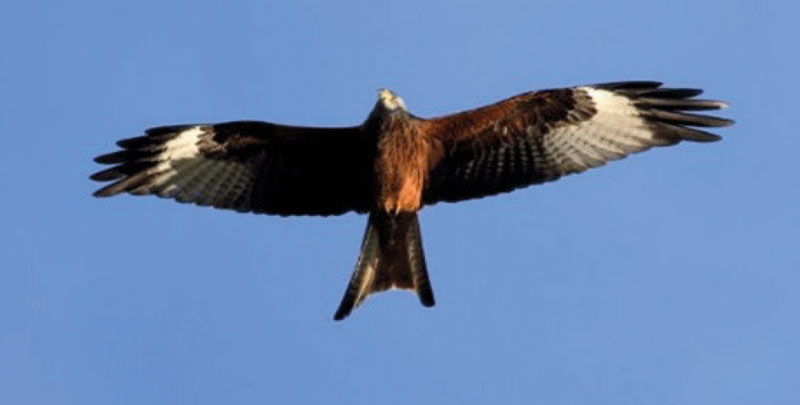
Red Kite
More and more of the Metalskolen's areas are being changed from mowed lawns to flower fields and meadows to increase biodiversity in the area. The meadows with ornamental and natural grasses that extend down towards Slagslundevej. For example, the meadowsweet provides habitat for over 120 organisms, and comb grass provides plenty of space for other flowering herbs, as it is not aggressive, like many lawn grasses are.
Marigolds are found in several places in the nature belts, to the delight of both summer birds and bees and as an important nectar plant.
Thistles also appear in the beds, and when they bloom, they are rich in nectar and pollen, to the delight of bees, butterflies and other insects day and night.
Along the wild fences, the nettles are allowed to grow freely and are hosts to several of our most colorful butterflies, such as the Nettle Roofwing, Admiral, White C and Nettle Butterfly.
In the air high above the moraine landscape to the south you may be lucky enough to spot the Red Kite, which is a permanent resident of the area. It is known as “nature’s garbage man”, as it specializes in finding and consuming carrion, but it also hunts amphibians, reptiles and smaller birds. It is not so picky, and takes the prey that is most numerous at the breeding site.
The Red Kite is protected in Denmark and thanks to this it is no longer critically endangered.
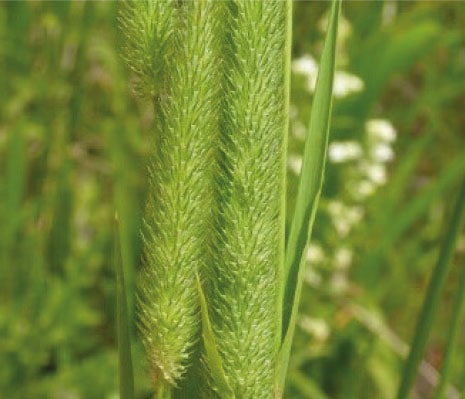
Engrottehale
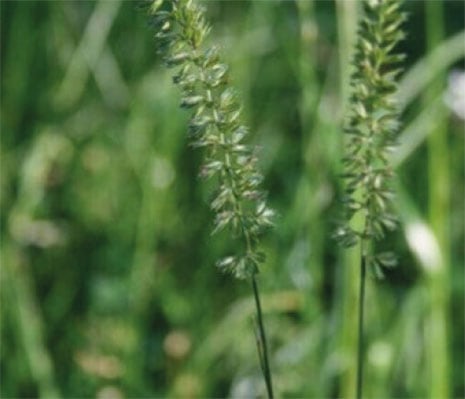
Comb grass
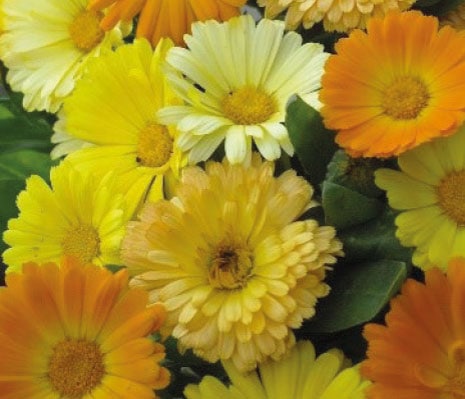
Marigold
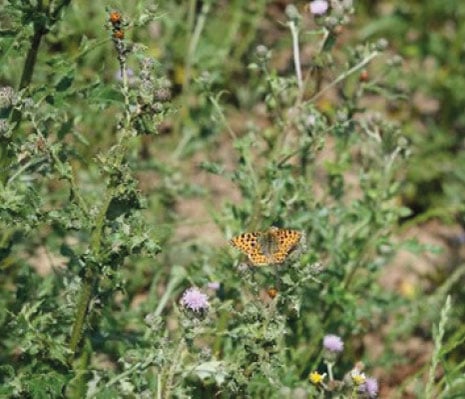
Thistles in the insect belts